
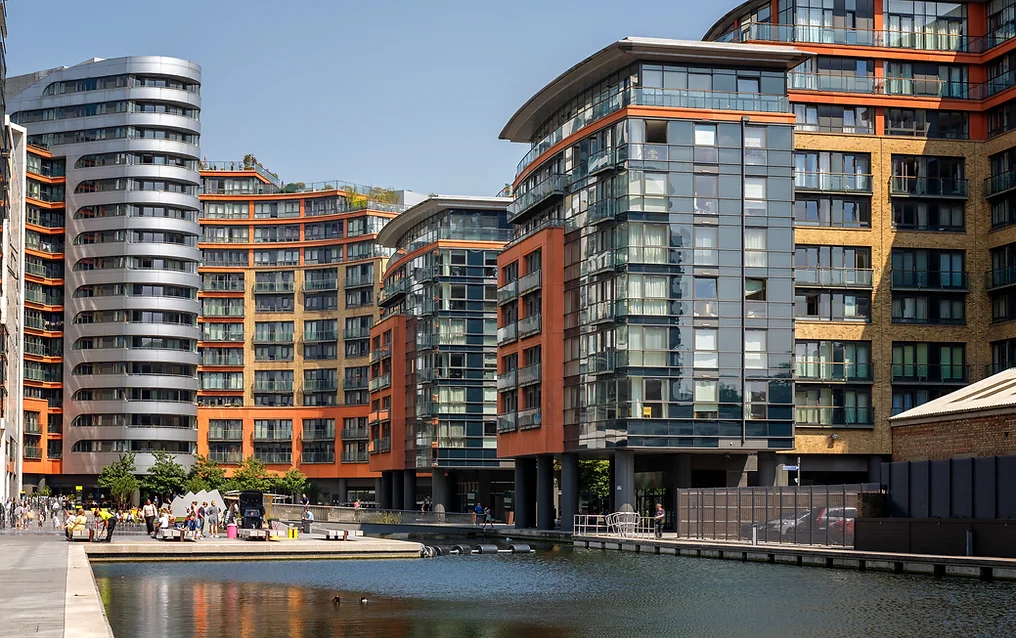
Condominium living offers a fantastic hybrid of homeownership: you build equity and own your space, but you leave the roof repairs and lawn care to someone else. In the bustling Dallas-Fort Worth market, condos are an increasingly popular choice for urban professionals and downsizers alike. However, when that outdated galley kitchen or the 1990s bathroom tile starts to grate on your nerves, you quickly realize that renovating a condo is a completely different beast than renovating a single-family home.
In a detached house, if you want to knock down a wall or change your flooring at midnight, that is your prerogative. In a condo, you are part of a collective. You share walls, ceilings, floors, and plumbing stacks with your neighbors. This interdependence means that your renovation plans are subject to strict oversight. Navigating the “Book of Rules”—otherwise known as the Covenants, Conditions, and Restrictions (CC&Rs)—is the first and most critical step in any condo remodel.
Navigating the HOA Approval Maze
Before you buy a single tile or hire a contractor, you must engage with your Homeowners Association (HOA). Many condo owners assume that because they own the interior, they can do whatever they want. This is a dangerous misconception.
HOAs have strict guidelines regarding everything from the hours construction can take place to the type of materials you can carry in the elevator. Most importantly, they regulate structural modifications. You cannot simply sledgehammer a wall to create an “open concept” layout because that wall might be load-bearing for the unit upstairs, or it might contain the main water supply line for the building.
Submitting a renovation proposal to an Architectural Review Committee (ARC) typically requires detailed drawings, proof of your contractor’s license and insurance, and a specific scope of work. Experienced condo renovation contractors know how to speak “HOA language.” They understand how to present a plan that assures the board that common elements won’t be damaged and that neighbors won’t be disturbed. The Community Associations Institute (CAI) offers resources for homeowners to understand their rights and responsibilities, emphasizing that clear communication with the board is the key to a smooth approval process.
The Invisible Priority: Soundproofing and Flooring
One of the most contentious issues in condo living is noise. When you rip out old, plush carpeting and replace it with trendy hardwood or luxury vinyl plank (LVP), you dramatically change the acoustics of your unit. Without the dampening effect of the carpet, the sound of your footsteps can sound like a drum to the neighbor living below you.
This is why almost all condo HOAs have strict requirements regarding “IIC Ratings” (Impact Insulation Class). They require specific acoustic underlayments—cork, rubber, or specialized foam—to be installed beneath hard flooring.
If you ignore this step and install floors without the proper soundproofing, the HOA can legally force you to rip out your brand-new beautiful floors at your own expense. A professional renovation team will not only ensure compliance with these acoustic standards but can also suggest layout changes that minimize noise transfer, such as placing laundry machines away from shared bedroom walls. Apartment Therapy notes that soundproofing is the “hidden luxury” of condo living; you can’t see it, but it creates the peace and privacy that makes a unit feel like a true home.
Maximizing Value in Fixed Footprints
Unlike a house where you can build an addition, a condo has a fixed footprint. You cannot add square footage, so you must add utility and luxury to the space you have. This requires clever design thinking.
In DFW condos, especially in high-rise or mid-rise buildings, space is at a premium. Renovations often focus on “European-style” efficiency. This might involve installing custom cabinetry that reaches all the way to the ceiling to maximize storage, using pocket doors to save swing space, or creating multi-functional islands that serve as both dining tables and prep surfaces.
Kitchens and bathrooms remain the kings of ROI (Return on Investment). Even in a small condo, upgrading to quartz countertops, frameless glass shower enclosures, and modern lighting can significantly increase the resale value. Because the square footage is smaller, homeowners can often afford higher-end finishes—like marble backsplashes or designer fixtures—that might be cost-prohibitive in a massive suburban home. Real estate data from Zillow consistently shows that modernized condos sell faster and for a higher price per square foot than their dated counterparts, as buyers in this segment value “move-in readiness” highly.
Your Dallas-Fort Worth Experts for Condominium Renovations
Navigate the complexities of HOA rules and shared walls with confidence. Transform your unit into a modern urban sanctuary.
FS Renovations has the specialized experience to manage condo logistics and deliver high-end results. Visit our Condominium page to view our work, or Contact Us to discuss your vision.