
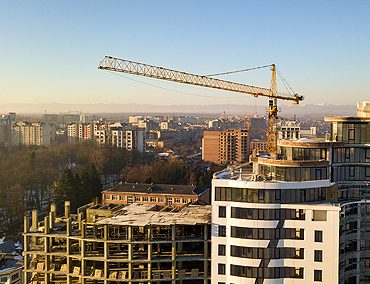
Renovating a space within a high-rise or mid-rise building in a dense urban area like Dallas or Fort Worth is a world away from a typical single-family home remodel. The complexity of the project increases exponentially due to the unique logistical, structural, and regulatory challenges involved. These projects require a contractor with specialized experience in navigating the intricate rules of vertical living, from coordinating with building management and protecting common areas to managing the complex logistics of moving materials and debris dozens of stories up and down. A successful high-rise renovation demands meticulous planning and flawless execution.
Logistical Hurdles: Getting In and Out
The most immediate challenge is simply getting materials into the building and demolition debris out of it.
- Elevator Access: All materials, tools, and debris must be transported via the service elevator. This requires careful coordination with building management to reserve elevator time, often restricting work to specific hours to minimize disruption to residents. Materials must be carefully protected to avoid damaging the elevator cab.
- Parking and Staging: There is no front yard to park a truck or store materials. A contractor must have a plan for deliveries, parking for their crew, and a designated staging area for materials, all while complying with city parking regulations and building rules.
- Debris Removal: A large dumpster can’t just be placed in the driveway. A plan for daily debris removal is essential to keep the project site clean and safe.
Working in an Occupied Building: Minimizing Disruption
When you renovate a space in a high-rise, you are working within a larger community. Your project will inevitably affect the building’s other residents and common areas. A professional contractor who specializes in this work understands the importance of being a good neighbor.
- Protecting Common Areas: The contractor must take extensive measures to protect the building’s hallways, elevators, and lobby from damage. This includes laying down protective floor coverings and padding walls along the entire route from the service elevator to the unit being renovated.
- Noise and Dust Control: Construction is noisy. Work is often restricted to specific hours (e.g., 9 AM to 5 PM) to minimize noise disruption for other residents. The unit being renovated must be properly sealed off to contain dust, and air scrubbers may be used to maintain air quality.
- Resident and Management Communication: A good contractor maintains clear and constant communication with the building’s property manager and engineering staff. They understand the building’s rules and regulations inside and out and work to ensure a smooth process for everyone involved.
Structural and System Complexity
High-rise buildings have complex, shared systems. Any work involving plumbing or electrical must be carefully coordinated with the building’s engineering staff. Shutting off water or power to a unit can sometimes affect adjacent units, requiring advance notice. As construction industry resources often note, understanding the complex interplay of shared mechanical, electrical, and plumbing (MEP) systems is paramount in high-rise projects. The contractor must also be an expert in working with the concrete and steel structures common in these buildings.
Your DFW Experts for High-Rise and Mid-Rise Buildings
Renovating a high-rise or mid-rise unit is not a job for a standard residential contractor. It requires a specialized skill set and a deep understanding of the unique logistical and regulatory landscape. For property owners and managers in the DFW metroplex, the team at FS Renovations has extensive experience in successfully executing projects in high-rise and mid-rise buildings. Contact us today to discuss your project.